The Last Programming Language Will Be Human Intent
Programming languages will survive. What may disappear is our need to speak to computers in their language.

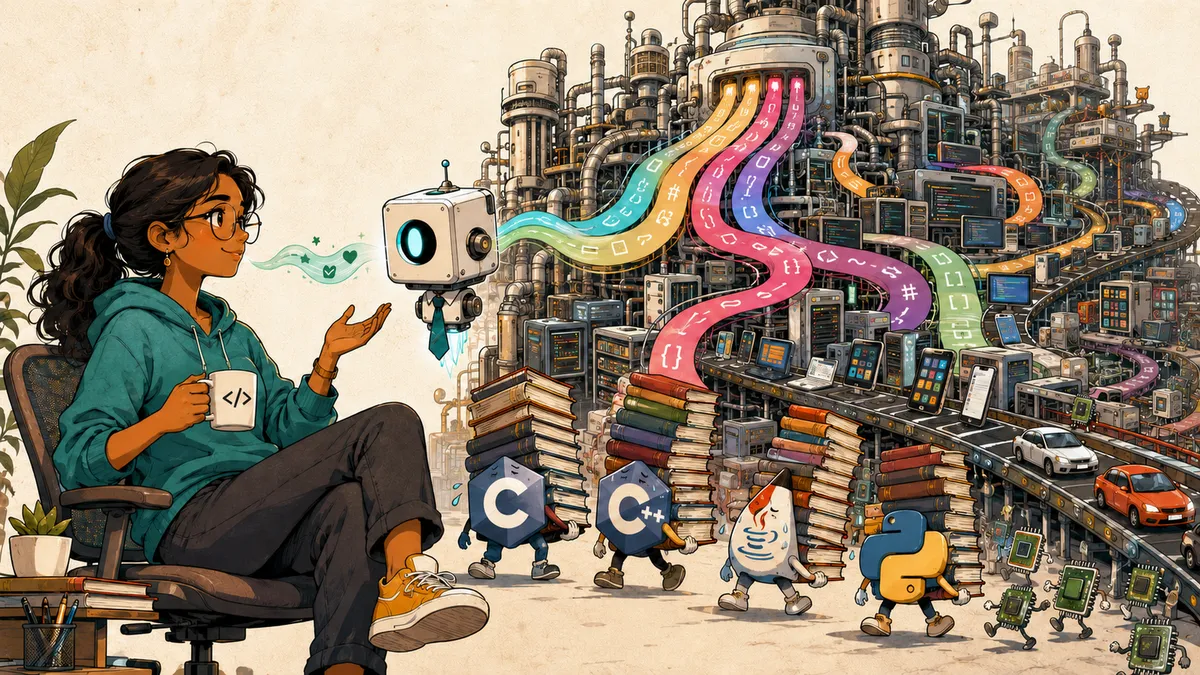
A story about the ordinary developer of the near future, where software is expressed as intent, generated across many languages, and judged by evidence rather than syntax.
At 9:07 on a Tuesday morning, Mira receives a familiar complaint.
Customers who deny camera permission during vehicle capture cannot recover without restarting the application. The defect is small enough to sound harmless and irritating enough to lose real users.
Today, Mira would open the repository, trace the permission state, inspect the React interface, find the native mobile bridge, modify several files, run the tests, and hope she has not disturbed another path through the application.
In the working world now taking shape, she begins elsewhere.
She tells the development system what is wrong, who is affected, and what must remain true.
“If camera access is denied, explain why it is needed and let the customer grant permission without restarting. Preserve the unfinished capture. Record the recovery event for support. Do not add another permission request during application launch.”
The system does not immediately produce code. It asks questions.
Should the unfinished capture survive if the application is closed? What happens when the operating system forbids another permission request? Is the recovery event allowed to contain a vehicle identifier? Must the behaviour match on iOS, Android and the mobile web interface?
Mira answers. The system converts the conversation into a specification, identifies the affected components, proposes an implementation for each platform, creates tests for the denied and recovered states, and runs the product against simulated devices. It also reports one uncomfortable fact: preserving a capture after the application closes requires local storage, which changes the privacy obligations of the feature.
Mira chooses not to persist the capture after closure. She approves the narrower behaviour, examines the evidence, and releases the change gradually.
During the entire task, she may never type a line of Swift, Kotlin or TypeScript. Yet every one of those languages remains inside the product.
This is the future hidden inside today’s AI coding tools. It is not a world without programming languages. It is a world in which programming languages are no longer the principal surface of programming.
We confused the notation with the work
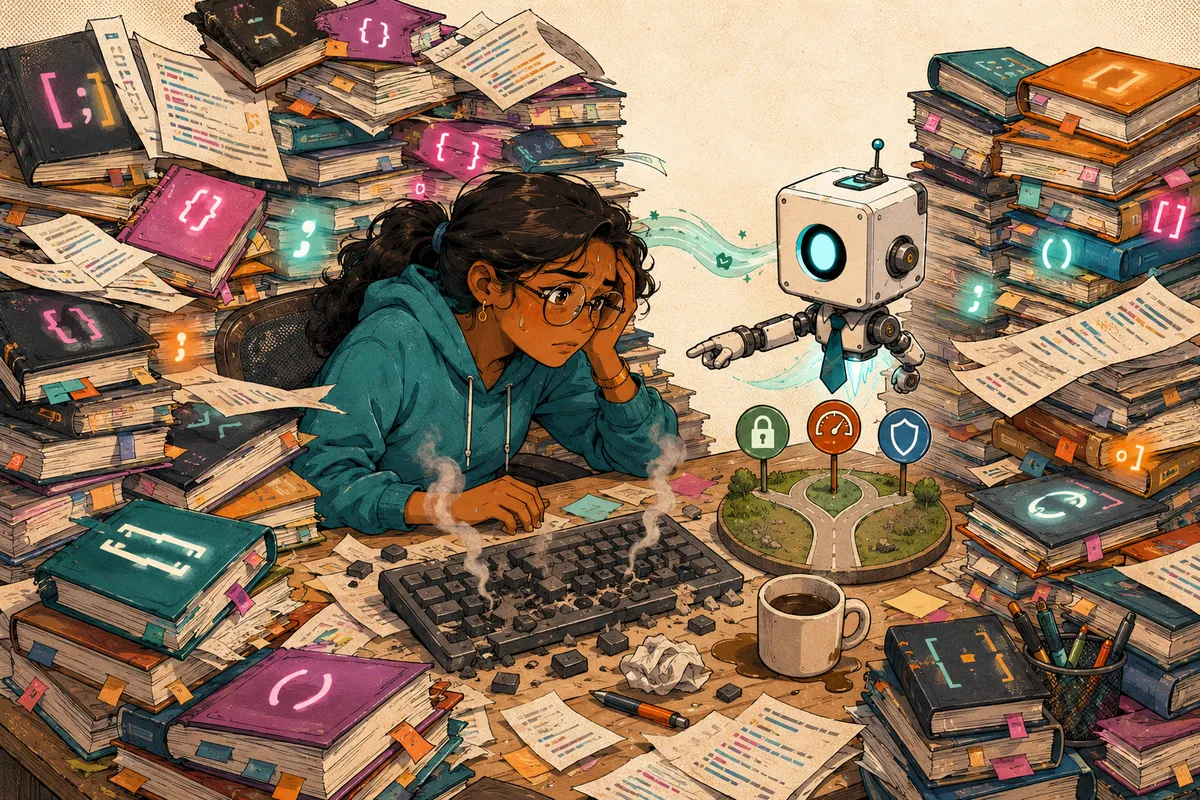
For most of software history, the programmer’s visible activity has been writing instructions in a formal language. That visibility encouraged us to treat code as the work itself.
But code is a representation of decisions made earlier. Someone decided what the system should permit, what it should refuse, which failure matters, how quickly it must respond, what information it may retain, and who carries the consequences when it behaves incorrectly. Syntax records those decisions with exceptional precision. It does not make them for us.
The craft of programming has always contained two different labours. One is mechanical translation from an intended behaviour into an executable form. The other is the intellectual work of discovering what the behaviour ought to be.
AI is advancing fastest against the first labour. As that translation becomes cheaper, the second becomes impossible to ignore.
OpenAI’s Codex already accepts a task in ordinary language, reads a repository, edits files, runs linters and tests, and returns changes for review. GitHub’s Spec Kit goes further in principle. It treats the specification as the primary artefact from which plans, tasks and implementations are produced. The code is no longer the only authoritative expression of the product. It becomes one compiled interpretation of a larger intent.
That change sounds radical because we are standing too close to it.
We have climbed this staircase before
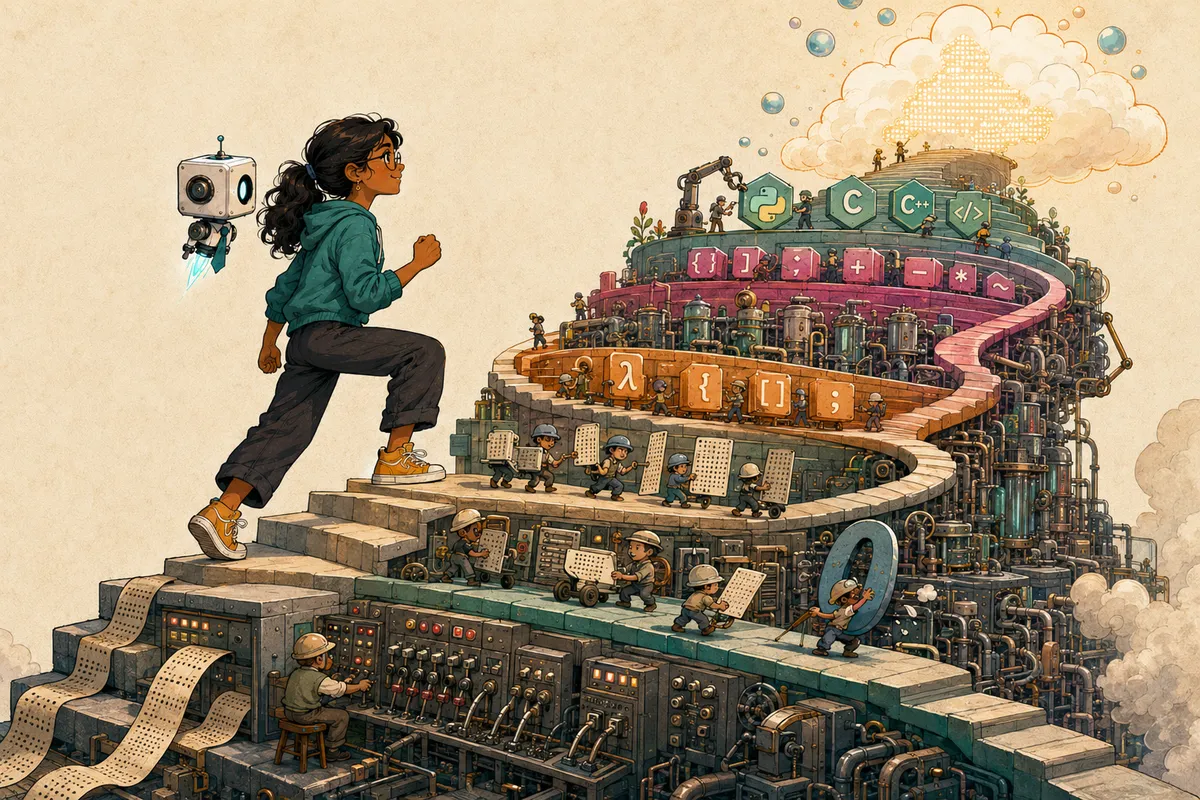
Early programmers wrote numerical machine instructions. Assembly replaced numbers with names, then assemblers translated those names back into machine operations. Languages such as Fortran allowed one statement to produce many instructions. Compilers made the machinery beneath the statement less visible.
The Computer History Museum describes machine programming in the 1950s as slow and error prone. Grace Hopper’s A0 system, often regarded as the first compiler, helped establish the audacious idea that a program could write another program. The scepticism was understandable. If serious programmers knew the machine, why place another layer between thought and execution?
The answer was leverage.
Assembly did not die. It became infrastructure. Most developers stopped writing it, while compilers continued producing machine instructions on their behalf.
Modern development contains several such invisible translations. Java becomes bytecode for a virtual machine. Swift passes through compiler representations before becoming processor instructions. Numerous language front ends can emit LLVM’s intermediate representation and reuse common optimisation and code generation machinery.
AI introduces a new compiler of a peculiar kind. Its input is not a formally complete program. Its input is a mixture of intention, examples, design conventions, existing code, organisational rules and corrections supplied during a conversation.
Its output may contain six languages because the product needs six languages. The human sees one coherent change.
One interface does not mean one language underneath
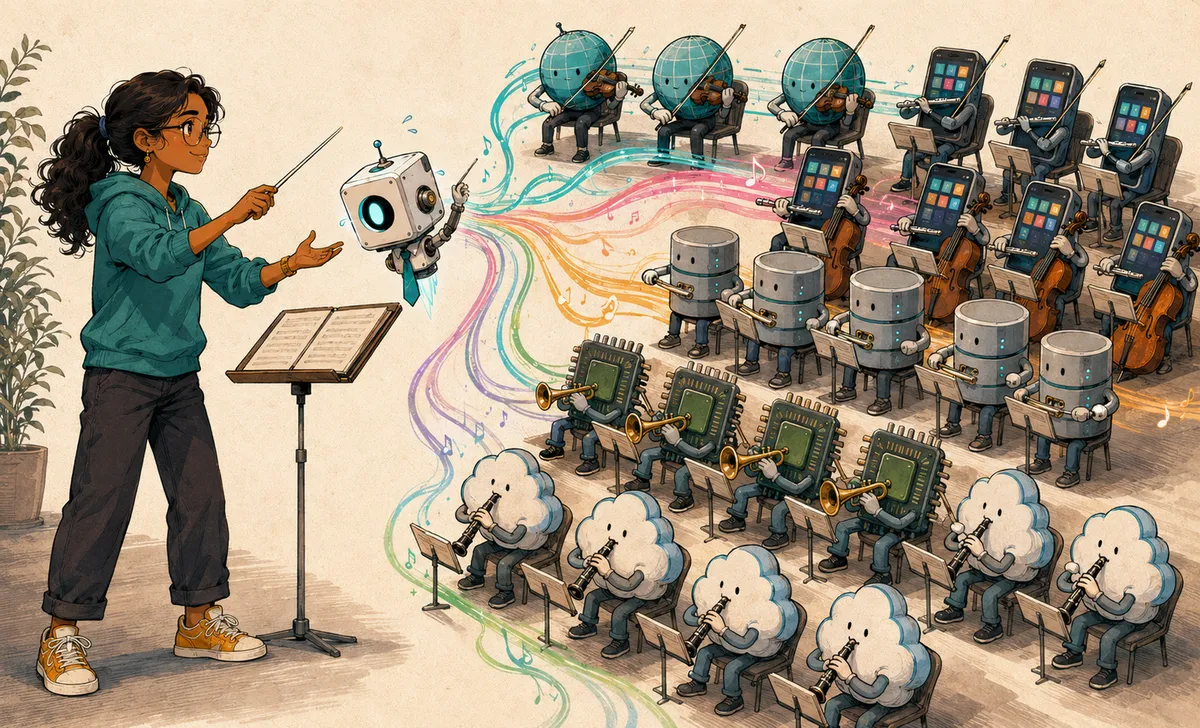
The prediction that AI will unify programming languages is both correct and misleading.
It is correct at the point of human interaction. A developer may describe a payment rule once and allow an agent to implement the web interface, service logic, database migration, mobile behaviour, monitoring and documentation. To that developer, the system feels unified.
It is misleading at the point of execution. Browsers still favour their ecosystem. Mobile platforms still expose native capabilities. Operating systems still care about memory, concurrency and processor architecture. Databases still reward declarative queries. Embedded controllers still operate under restrictions that a cloud service never encounters.
Those differences are not historical clutter. They represent physical and operational realities. No universal syntax erases them.
The likely future therefore contains more generated languages, not fewer underlying languages. AI can choose specialised tools without demanding that every human master each one. TypeScript may be useful because its type system exposes contradictions. Rust may be useful because ownership rules reject unsafe memory behaviour. SQL may be useful because the database can inspect and optimise a declaration. Their constraints become feedback instruments for the agent.
This is already visible in GitHub’s data. TypeScript became the most used language on GitHub in August 2025. GitHub connected part of its rise to a practical advantage in AI assisted development: typed languages give agents clearer feedback and make generated code easier to validate in production.
The paradox is elegant. The less code humans write, the more valuable precise computer languages may become.
MCP offers a preview of the same pattern
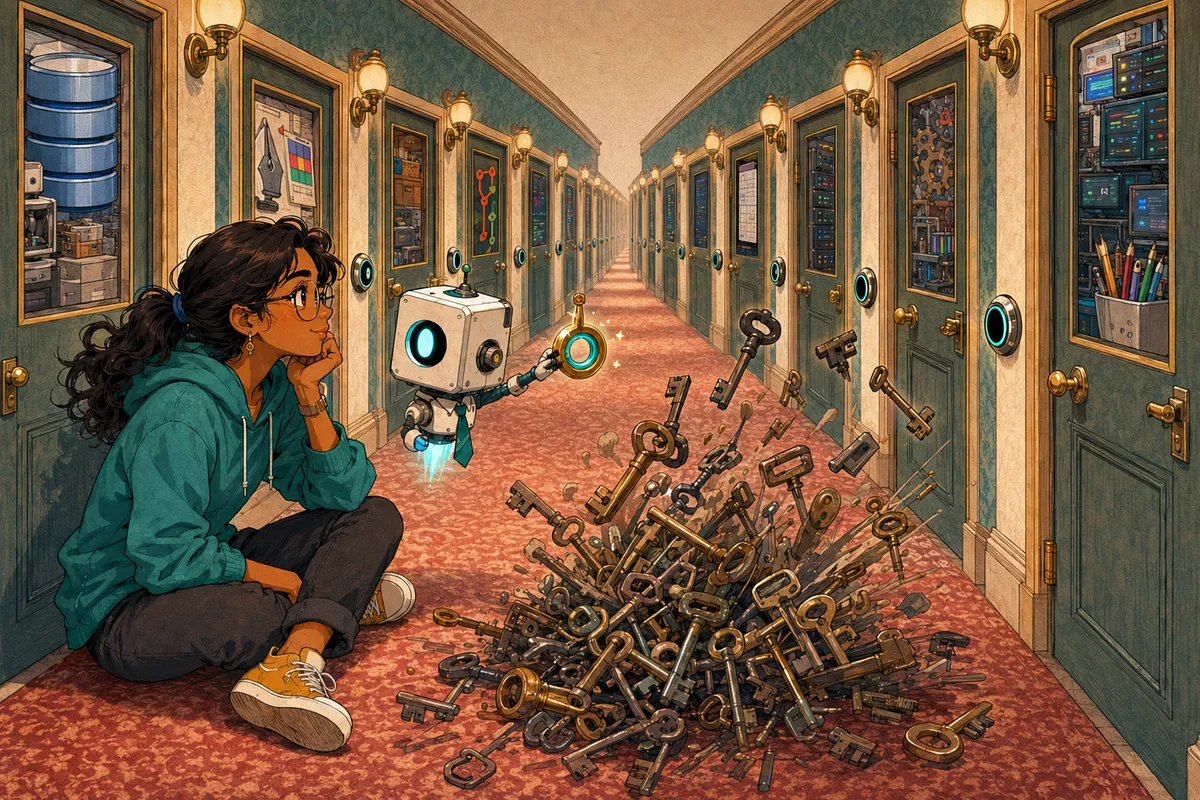
Before an AI system can change a product, it must reach the places where the product lives. It needs repositories, databases, design files, issue trackers, deployment systems and observability tools. Building a separate connector for every pairing would reproduce an old integration problem at a larger scale.
The Model Context Protocol provides a shared method for AI applications to discover resources, prompts and executable tools. It does not eliminate the underlying APIs. It gives agents a consistent doorway into them.
That distinction matters. MCP is not one API replacing all APIs, just as human intent will not be one computer language replacing every computer language. Both are unifying surfaces placed above necessary diversity.
The protocol moved quickly from proposal to infrastructure. Anthropic published MCP in November 2024. OpenAI later added remote MCP support and joined its steering committee. In December 2025, MCP entered the Linux Foundation’s Agentic AI Foundation. The Foundation reported more than ten thousand published MCP servers and adoption across Claude, ChatGPT, Cursor, Gemini, Microsoft Copilot and Visual Studio Code.
A common protocol does not make every tool identical. It makes their differences navigable by machines.
Human intent is not simply English
“English will replace programming languages” makes an arresting prediction, but it mistakes convenience for precision.
Ordinary language is rich because it tolerates omission. People understand “make the login secure” by importing assumptions from experience. A computer cannot safely decide which assumptions carry legal, financial or human consequences.
Mira’s original request concealed questions about persistence, privacy, platform behaviour and recovery. The agent became useful only when it exposed those questions instead of quietly inventing answers.
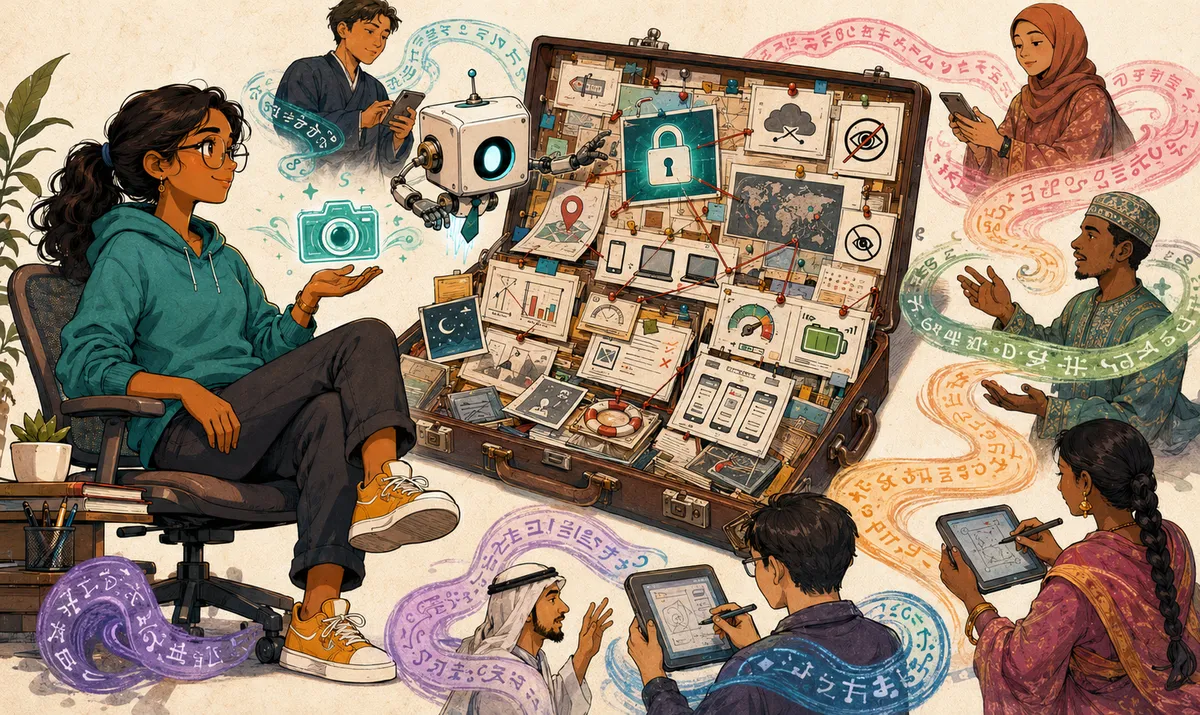
The final programming surface will therefore be broader than prose. It will combine conversation with examples, diagrams, interface designs, policies, performance limits, acceptance tests and records of prior decisions. Human intent becomes executable only after ambiguity has been converted into constraints.
Nor must that intent be written in English. A developer may reason in Marathi, Japanese or Portuguese while an AI system normalises the result into the same technical specification. English may remain influential because existing documentation and identifiers are saturated with it. It is unlikely to remain a compulsory entrance exam for creating software.
The last programming language will not be English. It will be intent expressed precisely enough to survive translation.
What Mira actually does all day
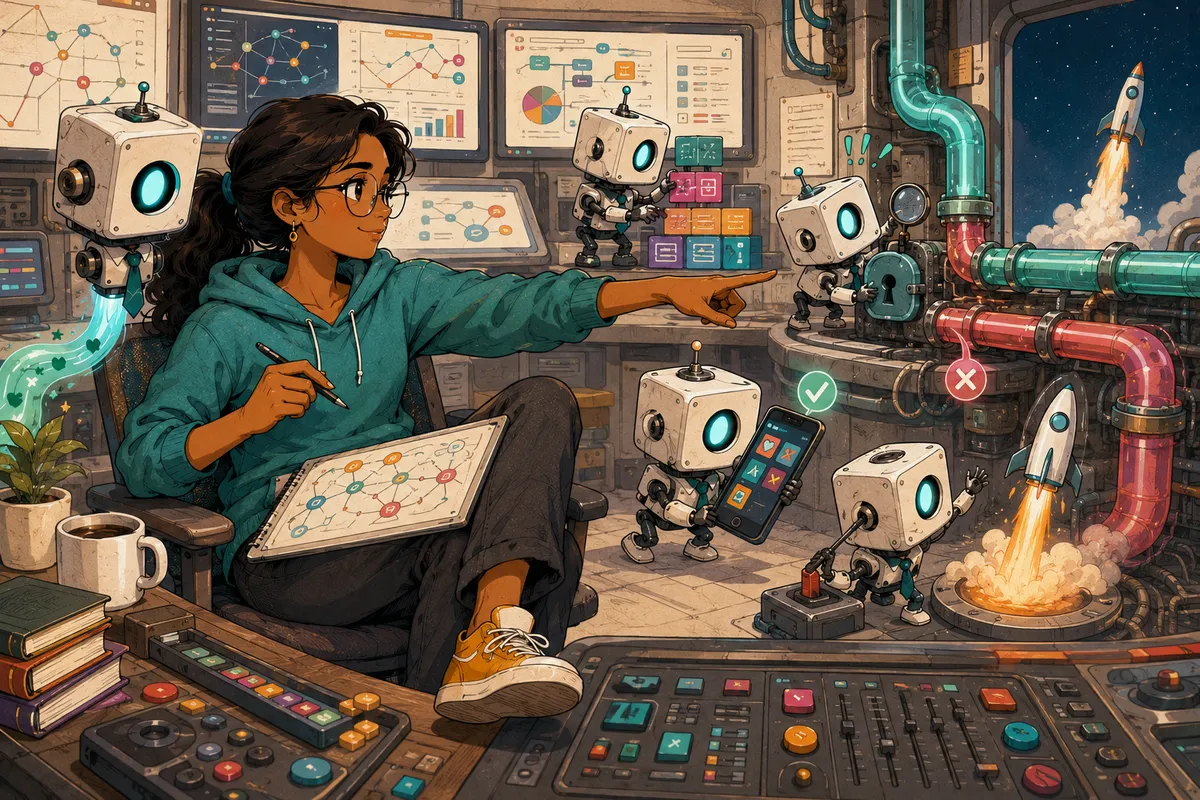
Mira has not become a passive customer of a code vending machine. Her work has moved towards the decisions that were always expensive.
She frames problems. A weak request describes a screen. A strong request identifies the user, the obstacle, the required outcome and the conditions that must not change.
She supplies context. The agent can inspect a repository, but it cannot infer every promise made to a customer, every scar left by an outage, or every reason an awkward business rule exists.
She interrogates proposals. When the system offers three implementations, she examines their consequences for privacy, latency, maintenance and reversibility. Choosing among technically valid answers is product judgment, not syntax.
She designs proof. Instead of inspecting every generated line, she asks what evidence would reveal a wrong implementation. Tests, type checks, security policies, telemetry, staged releases and rollback conditions become the grammar of trust.
She accepts responsibility. An agent can produce a decision at extraordinary speed. It cannot inherit accountability merely because its output appears confident.
The future developer resembles an architect, editor, investigator and flight controller. She expresses direction, watches interacting systems, detects unsupported assumptions and intervenes when local optimisation threatens the whole.
This role is not easier than programming. It is closer to the reason programming was difficult in the first place.
The evidence is impressive and inconvenient
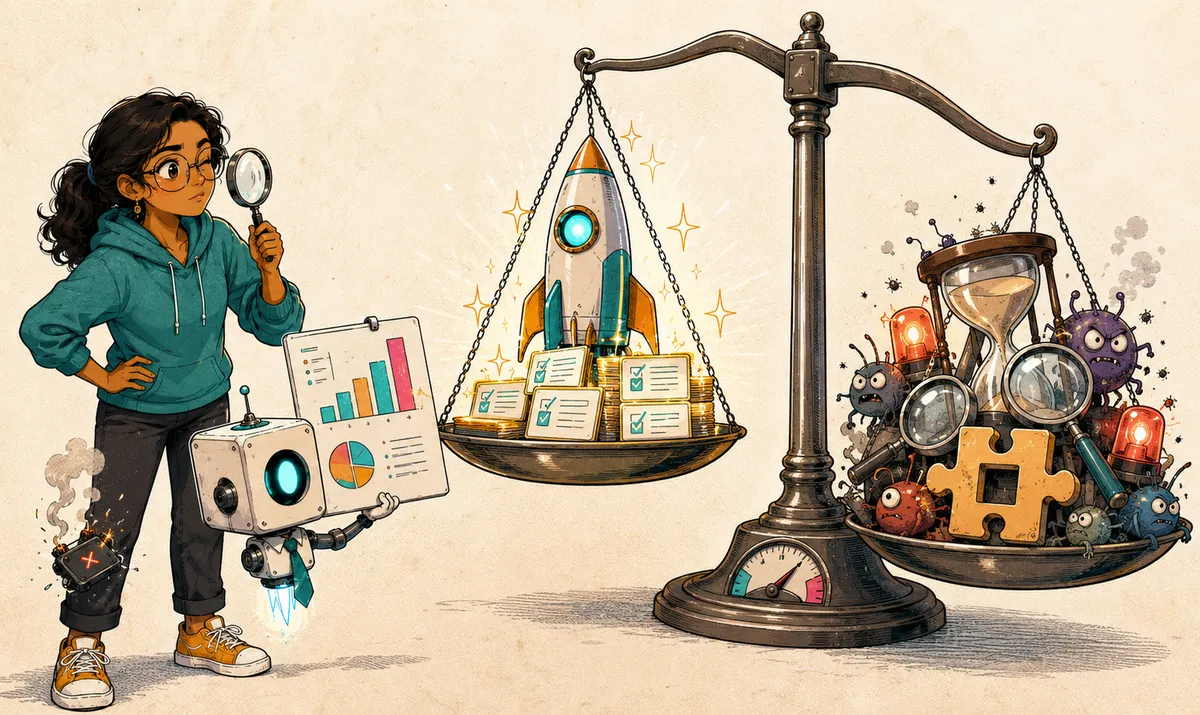
Predictions about programming often select only the evidence that flatters them. The real record is more interesting.
In Stack Overflow’s 2025 survey, 84 percent of respondents were using or planning to use AI development tools, and 51 percent of professional developers used them daily. Yet 46 percent distrusted their accuracy while only 33 percent trusted it. The most common frustration was an answer that was almost correct.
An early 2025 controlled study by METR found that experienced open source developers took 19 percent longer when allowed to use contemporary AI tools on repositories they knew well. The participants nevertheless believed that AI had made them faster. The result was narrow and time specific, but it revealed a durable danger: perceived fluency can conceal verification cost.
The capability curve is moving at the same time. METR’s research on autonomous task length found that the duration of software tasks frontier agents could complete with 50 percent reliability had doubled roughly every seven months across six years of measurements. The researchers warned that extrapolation is uncertain, but the direction is difficult to dismiss.
By early 2026, a separate METR survey of 349 technical workers found a median reported increase of 1.4 to 2 times in the value of their work from AI. METR also cautioned that self reports may exaggerate real gains.
These findings do not cancel one another. They describe a transition in motion. Agents are rapidly becoming capable of longer work, while humans remain poor judges of when those agents have saved time or merely moved effort into review.
Google’s 2025 DORA research offers the organisational version of the same lesson. AI acts as an amplifier. It magnifies the strengths of teams with clear systems and the disorder of teams without them. Faster production of changes is not the same as better delivery of value.
Source code becomes a generated artefact
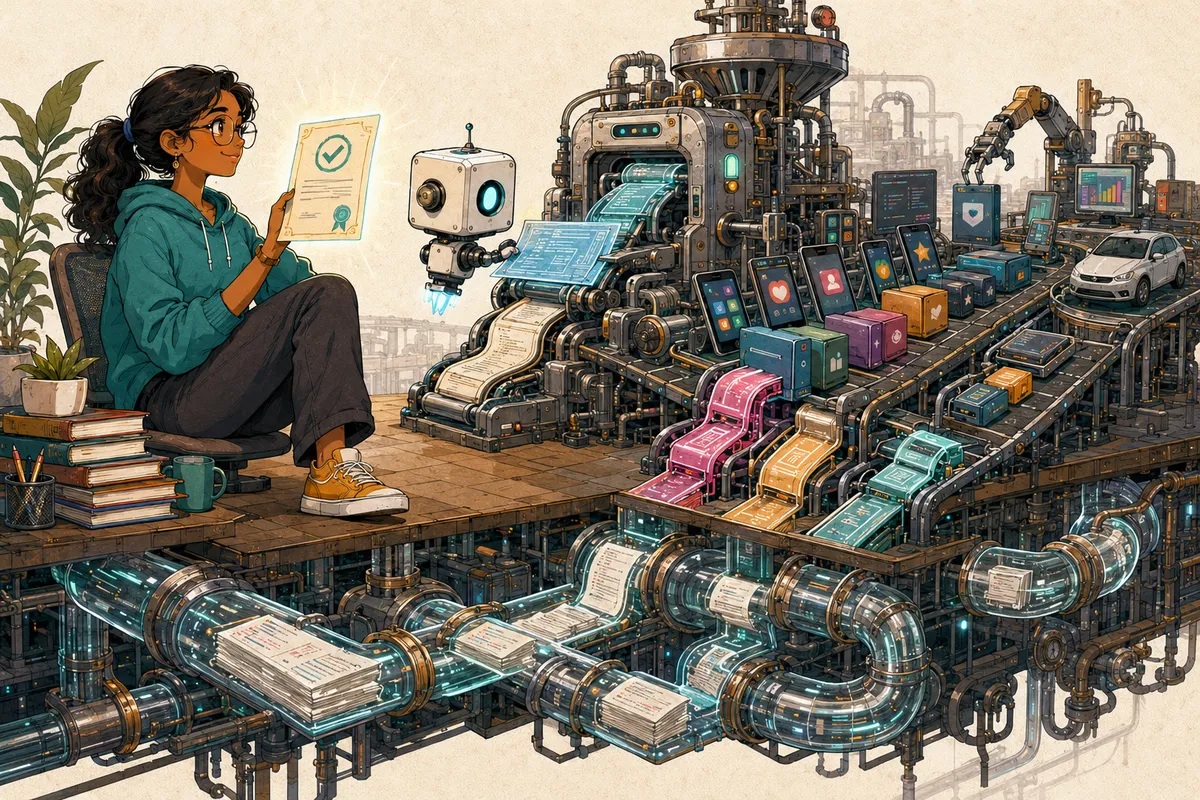
When compilers became dependable, developers stopped reviewing the machine code produced for every build. They reviewed the source and trusted a chain of tools, tests and established semantics beneath it.
Something similar may happen above source code. Teams could treat a versioned specification, its constraints and its verification record as the durable product definition. Source code would still be stored when reproducibility, audit or maintenance required it. Yet it might increasingly resemble a build artefact: essential to execution, inspectable during failure, but not the place where most human intention originates.
This transition cannot occur through model intelligence alone. It requires deterministic tests, observable systems, secure execution, permission boundaries, traceable decisions and reliable protocols. The agent must not merely generate an answer. It must show what it changed, why it believes the result satisfies the intent, and where uncertainty remains.
In other words, code can become invisible only when evidence becomes visible.
The developer does not disappear
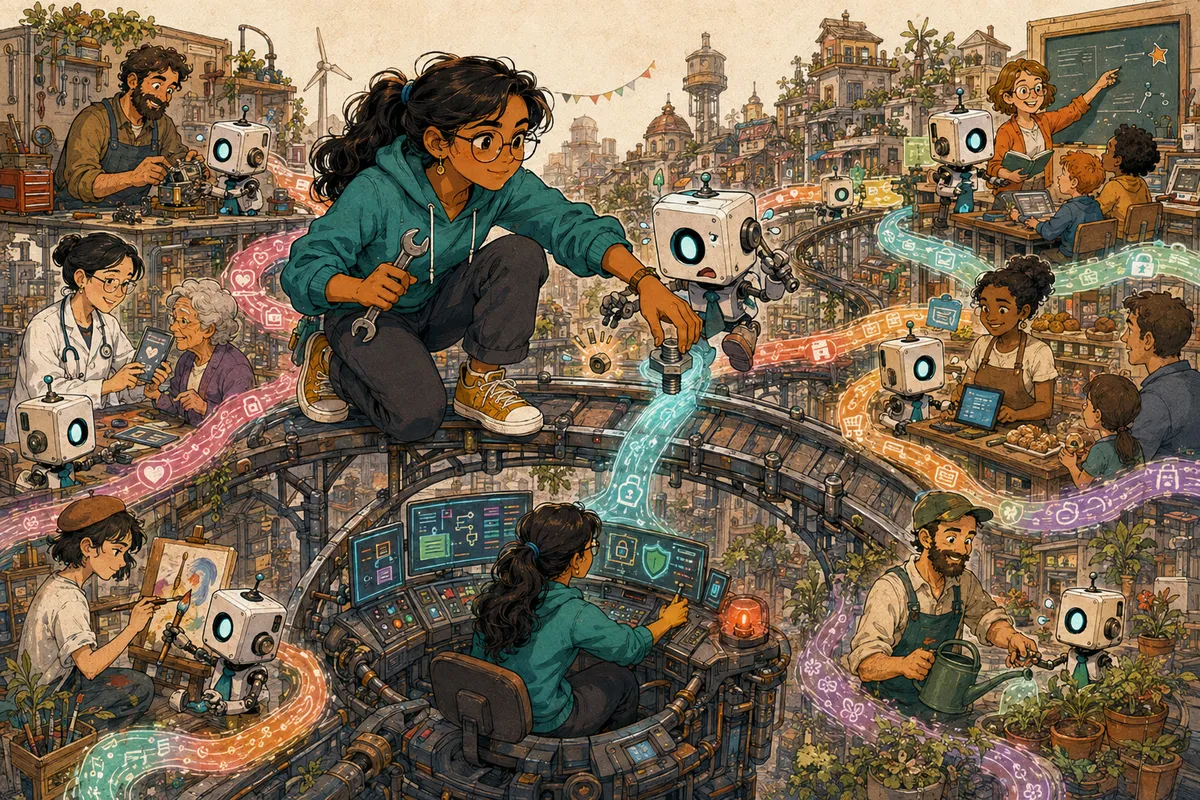
When software becomes cheaper to create, demand for software is unlikely to remain fixed. Small businesses will automate processes that never justified a development team. Specialists will build instruments for narrow scientific and industrial problems. Individuals will create private software for temporary needs.
The population of people capable of making software may expand far beyond the profession called software development.
That does not guarantee every current role will survive unchanged. Work centred on translating complete instructions into routine code is exposed. Work centred on discovering requirements, shaping systems, evaluating risk, integrating domains and owning outcomes becomes more valuable.
Mira’s advantage is not that she can type faster than an agent. It is that she recognises the privacy consequence hidden inside a convenient feature. She knows which compromise the product can afford and which promise it cannot break.
The machine can generate implementation. It cannot decide what deserves to exist without borrowing a human definition of value.
The final abstraction
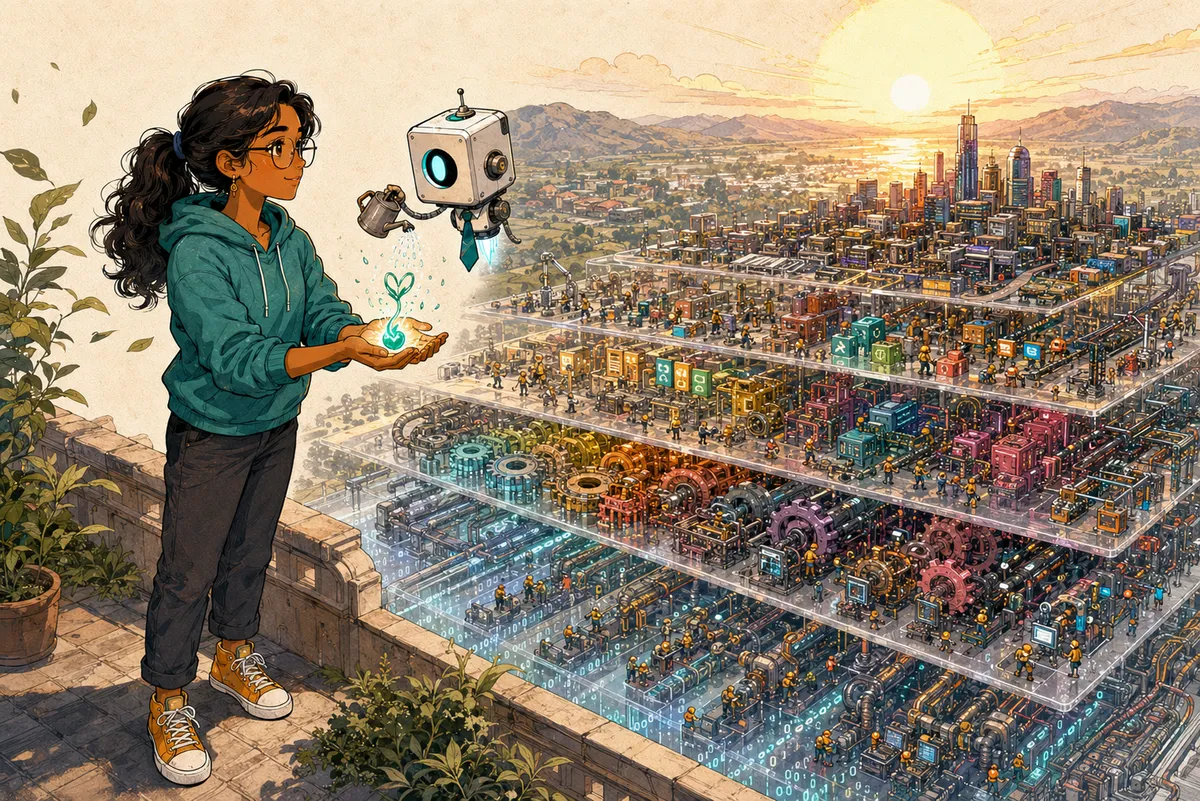
Programming began by asking humans to think like processors. Each major abstraction allowed them to think a little more like themselves.
Assembly gave names to numbers. High level languages gave structure to instructions. Frameworks gave names to recurring architectures. AI gives executable form to a description of desired change.
The destination is not a single language in which every program is written. It is a common surface through which intention can reach many languages, tools and machines.
C++, Java, Python, PHP, Swift and their successors will remain. They may become stronger, more specialised and more important to the systems beneath us. What fades is the assumption that a human must manually express every decision in their syntax.
The last programming language will not be any computer language.
It will be the disciplined expression of human intent, accompanied by enough evidence to trust what the machines make of it.
Sources and further reading
- Introducing Codex, OpenAI
- Spec Kit and specification driven development, GitHub
- Octoverse 2025, GitHub
- AI section of the 2025 Developer Survey, Stack Overflow
- Higher Level Languages, Computer History Museum
- LLVM frequently asked questions
- Introducing the Model Context Protocol, Anthropic
- Model Context Protocol specification
- Remote MCP support in the Responses API, OpenAI
- Agentic AI Foundation announcement, Linux Foundation
- Impact of early 2025 AI on experienced developer productivity, METR
- Measuring AI ability to complete long software tasks, METR
- Impact of early 2026 AI on technical worker productivity, METR
- State of AI Assisted Software Development 2025, DORA